Agile vs Waterfall: Which Project Methodology Fits Your Project
The agile vs waterfall debate ties every project management student in knots at first, because both sides sound convincing until you've seen what each one really demands. Agile and waterfall are project methodologies. That's just a fancy way of saying structured ways to plan and deliver work. Waterfall plans everything up front and builds in sequence. Agile plans in small slices and adjusts as it goes. Neither is better in the abstract. Each suits certain projects and breaks down on others. This article explains both in plain words, compares them without picking a side, and gives you a simple way to choose for your project or your assignment.
1. How Waterfall Works
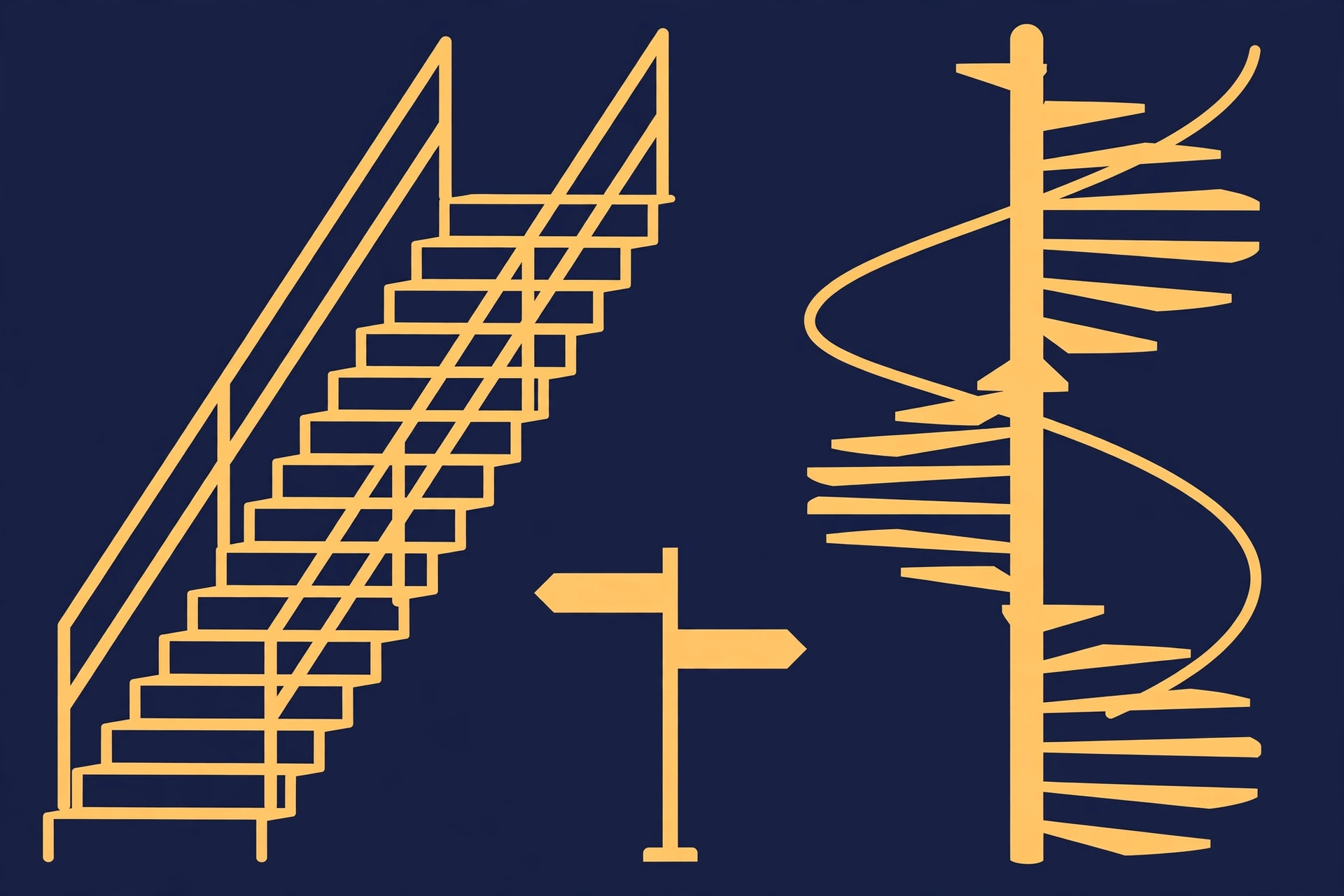
Waterfall moves a project through fixed phases in order: requirements, design, build, test, deliver. Each phase finishes before the next one starts, like water running down steps. The strength is clarity. Everyone knows the plan, the timeline and the cost up front. Clients who want a fixed price and a fixed date love that certainty. Construction and manufacturing run on waterfall thinking, because you can't unpour concrete. The weakness is rigidity. When the requirements turn out wrong, and they often do, changing direction mid project is painful and expensive. Testing happens late, so nasty surprises show up late too. Waterfall suits projects where the end goal is stable, the technology is known, and changes cost real money. Our business plans service plans fixed scope client work this way, because we agree the deliverables and deadlines before anything starts.
2. How Agile Works
Agile cuts the work into short cycles called sprints, usually one to four weeks. Each sprint delivers a small working slice of the product. The team shows it, collects feedback, and plans the next slice. Requirements sit in a prioritised list called the backlog, and the team pulls the most valuable items each sprint. The strength is adaptability. When customers change their minds, and they will, the next sprint simply absorbs the change. Working software every few weeks beats a perfect plan that shows up too late. The weakness is uncertainty. Cost and finish date are harder to pin down, which nervous clients don't enjoy. You won't know the final cost on day one. Agile also needs real customer involvement. Without feedback each sprint, the team just guesses, and guessing isn't agility. It suits projects where requirements will evolve, speed matters more than completeness, and the customer can actually show up.
3. Agile vs Waterfall: The Honest Comparison
Put them side by side and the differences are practical, not philosophical. Planning: waterfall plans once in detail, agile keeps planning in outline as it goes. Delivery: waterfall delivers once at the end, agile ships working pieces every sprint. Change: waterfall resists it and charges for it, agile expects it and builds it into the plan. Customer role: waterfall asks for sign off up front, agile wants feedback throughout. Risk: waterfall stacks risk at the end, agile spreads it across sprints. Team style: waterfall fits specialists handing work between phases, agile fits small mixed teams deciding together. Cost control: waterfall quotes a fixed price more easily, agile won't work without trust and a flexible budget. Don't expect one to win outright. Each is better for different jobs, and that's exactly the argument your assignment should make.
Waterfall
- Phases run in fixed order
- Requirements locked upfront
- Testing comes at the end
- Best for stable, clear briefs
Agile
- Work runs in short sprints
- Requirements evolve each cycle
- Testing happens continuously
- Best for changing needs
4. When to Choose Each One
Pick waterfall when the requirements are clear and likely to stay that way, when the contract demands a fixed price and date, when the industry is regulated and wants heavy documentation, or when the technology is mature. Building a bridge, rolling out payroll, or delivering a grant funded project with fixed milestones: that's waterfall territory. Pick agile when the requirements are fuzzy and won't sit still, when getting something working quickly beats waiting for perfect, when the customer can give feedback every couple of weeks, or when the technology is new and needs experimenting. A startup app, a marketing website, or a student software project with an engaged supervisor all point to agile. Plenty of real projects blend the two: plan the overall shape waterfall style, then build the uncertain parts in sprints. If you name the mix honestly, markers will reward it.
5. A Simple Decision Framework for Your Assignment
Markers don't want a coin toss, they want reasoning. Work through four questions. One, how stable are the requirements. Stable points to waterfall, shifting points to agile. Two, can the customer actually get involved. If they can give weekly feedback, agile suits them, milestone sign offs suit waterfall. Three, what's the contract asking for. Fixed price and date favour waterfall, flexible scope favours agile. Four, what does late change cost. Expensive late change, like hardware, favours waterfall. Cheap late change, like software, favours agile. Score your project on all four and you'll usually see the answer straight away. Drop the framework into your assignment as a small table with your project scored row by row. Our planning team uses exactly this kind of structured comparison when a client asks which approach fits their idea.
6. Five Agile vs Waterfall Mistakes Beginners Make
First, calling agile the modern one and waterfall the outdated one. Both are live practice where they fit. Second, treating agile as no planning at all. Agile plans constantly, just in shorter bursts. Third, ignoring the customer factor. Agile without customer feedback isn't agile, it's just chaos with standups, and it won't save a project the client never looks at. Fourth, recommending a hybrid without saying how the two actually mix. Name which parts use which method, and why. Fifth, skipping evidence. A comparison with no real project behind it just reads as theory. Tie every claim to your case: the requirements are fixed, so waterfall fits; the client can meet weekly, so agile fits.
7. Hybrid Approaches: When Teams Mix Both
Most real teams don't pick one method and follow it like a religion. They'll run waterfall where it helps and agile where it fits, often on the same project. A common setup is waterfall for the budget and key deadlines, while agile sprints run inside the build phase. Picture a construction project where the timeline and costs are fixed up front, but the fit out team works in short cycles, adjusting the layout each week. In your assignment, recommend a hybrid when the case has fixed constraints plus requirements that keep shifting, and our business plans team sees this pattern in live projects all the time. Then name which parts use which method, or you'll have said nothing useful.
Agile vs waterfall isn't a contest with a winner. Waterfall wins where certainty and contracts matter. Agile wins where change and speed matter. Learn to read the project in front of you against those four questions, and you'll choose well every time. If your assignment needs a methodology comparison argued properly, tell us about it through the contact page.
Methodology section due?
Bright Quill helps you compare agile and waterfall with clear reasoning, with tutoring and editing around your brief and your own ideas. Help starts at $25 per 500 words.